Voice-AI sales training and evaluation platform
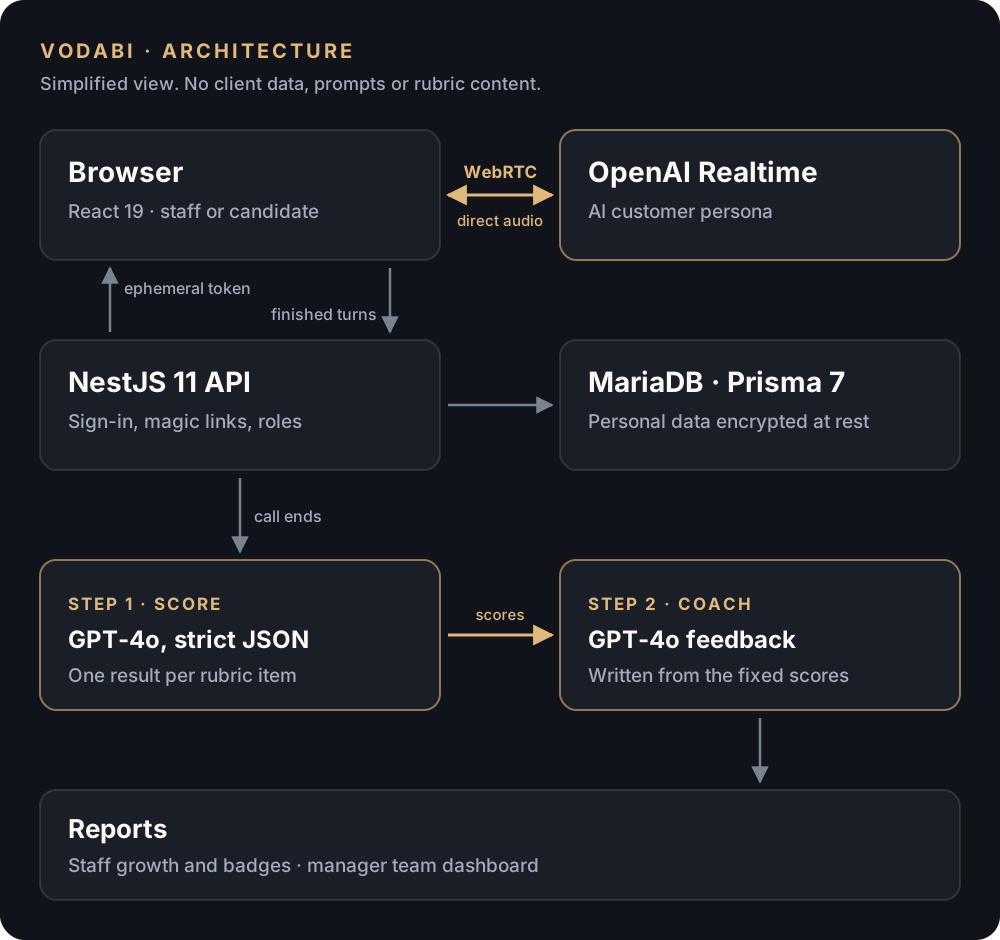
Sales teams need a consistent way to practise and assess calls. The platform runs realistic AI roleplay calls, scores them against a rubric, and gives managers a view of team progress.
From the first teacher interview to the App Store. 10+ years in Korean English academies and six AI products built solo. Chekki AI is live on the App Store and Google Play; Chekki Schools is in final testing ahead of a pilot. At VodaBi I build the frontend, backend and database of a voice-AI sales training platform.

Two products in depth: the problem, what I built, and the calls I made along the way.
Sales teams need a consistent way to practise and assess calls. The platform runs realistic AI roleplay calls, scores them against a rubric, and gives managers a view of team progress.

Three problems that are usually treated separately: parents who cannot check English homework with their child, mistakes at home that never reach the next lesson, and teachers writing bilingual parent updates by hand. Chekki closes that loop with one camera scan graded against the teacher's own answer key.

Chekki AI is the app parents open; this is what the academy behind it runs on. A director managing the account, a foreign teacher grading homework, and a Korean teacher messaging parents were all stuck in the same single-page tool, each looking at menus meant for someone else's job.
Designed and built solo.
Bilingual 7-pillar self-assessment quiz that scores a hagwon's AI readiness, emails a personalized report, and feeds Chekki's sales funnel — plus a Basic-Auth admin dashboard and GA4 attribution to see which channel actually converts.
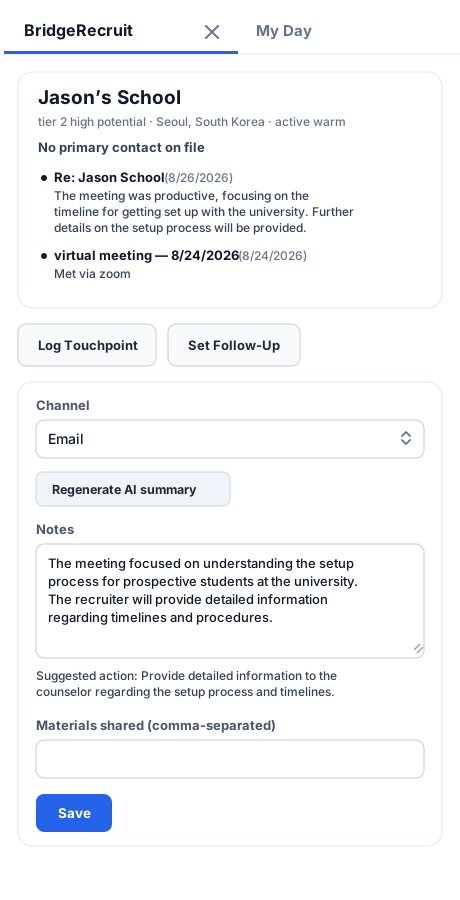
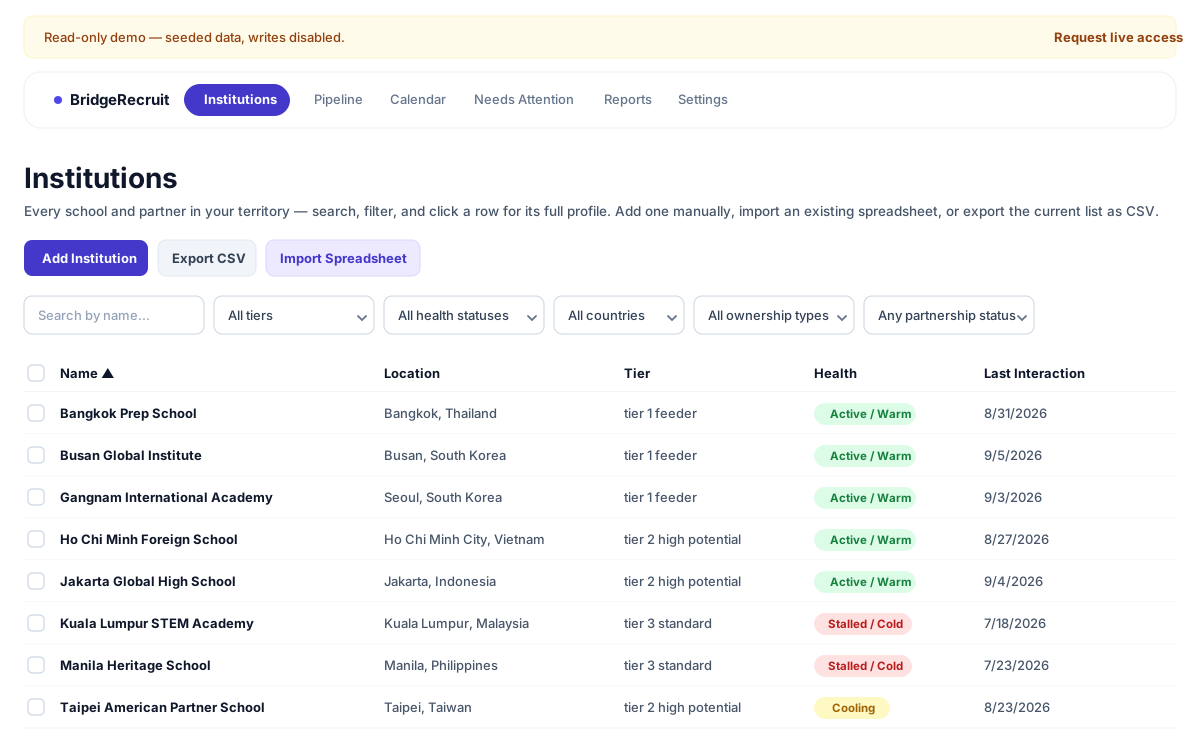
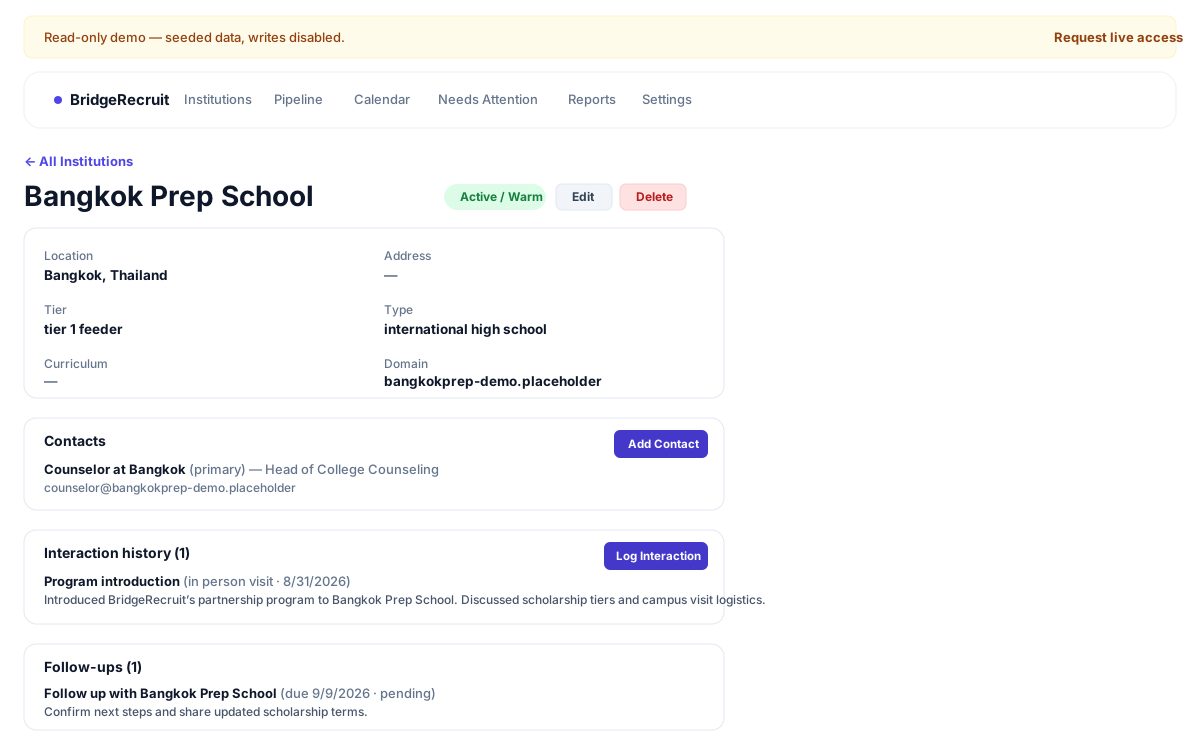
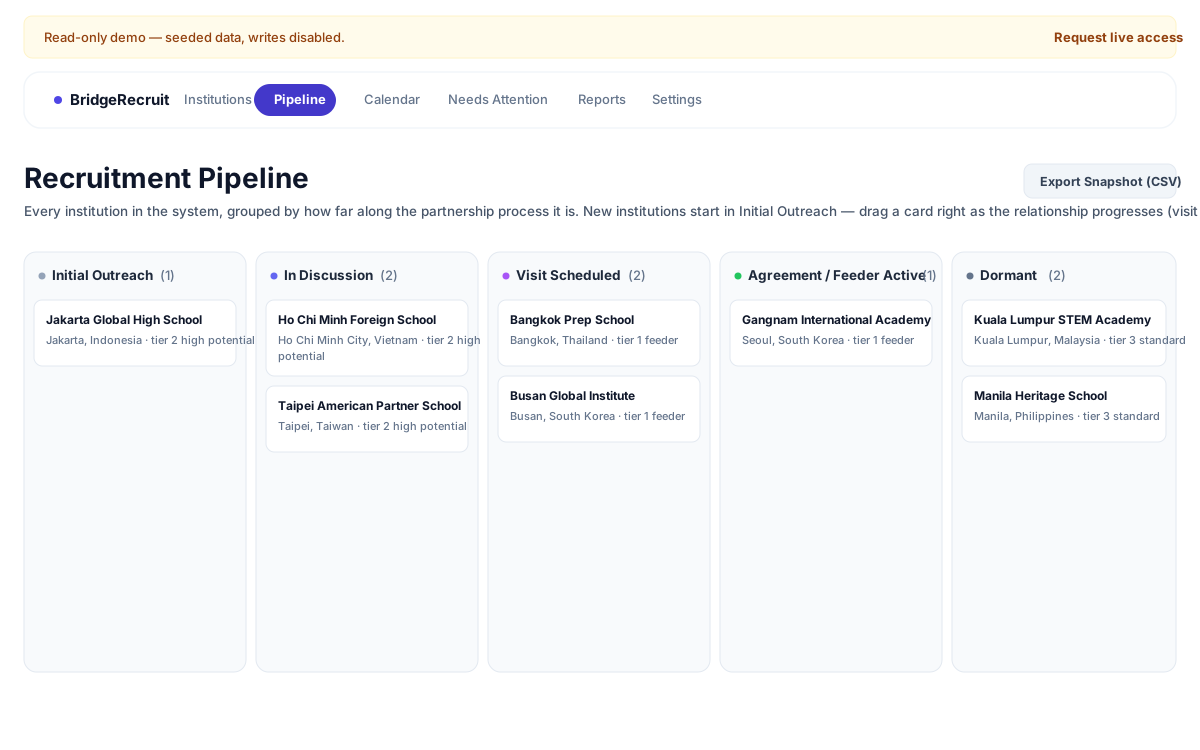
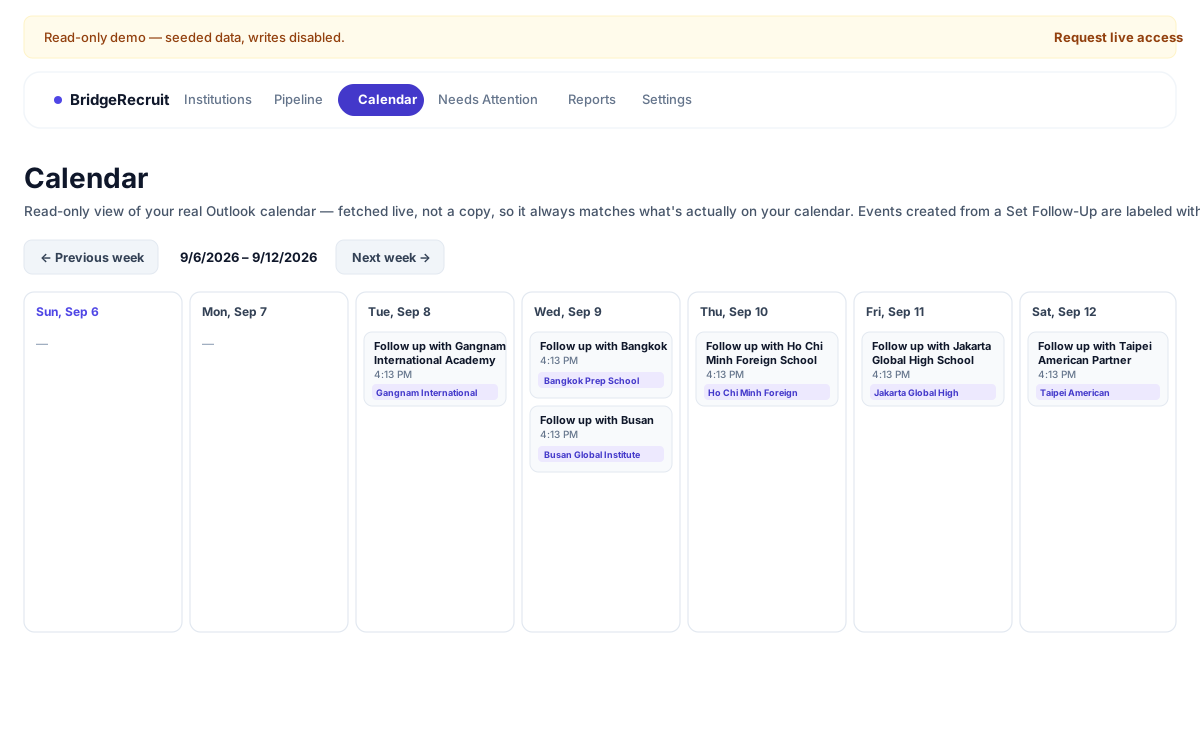
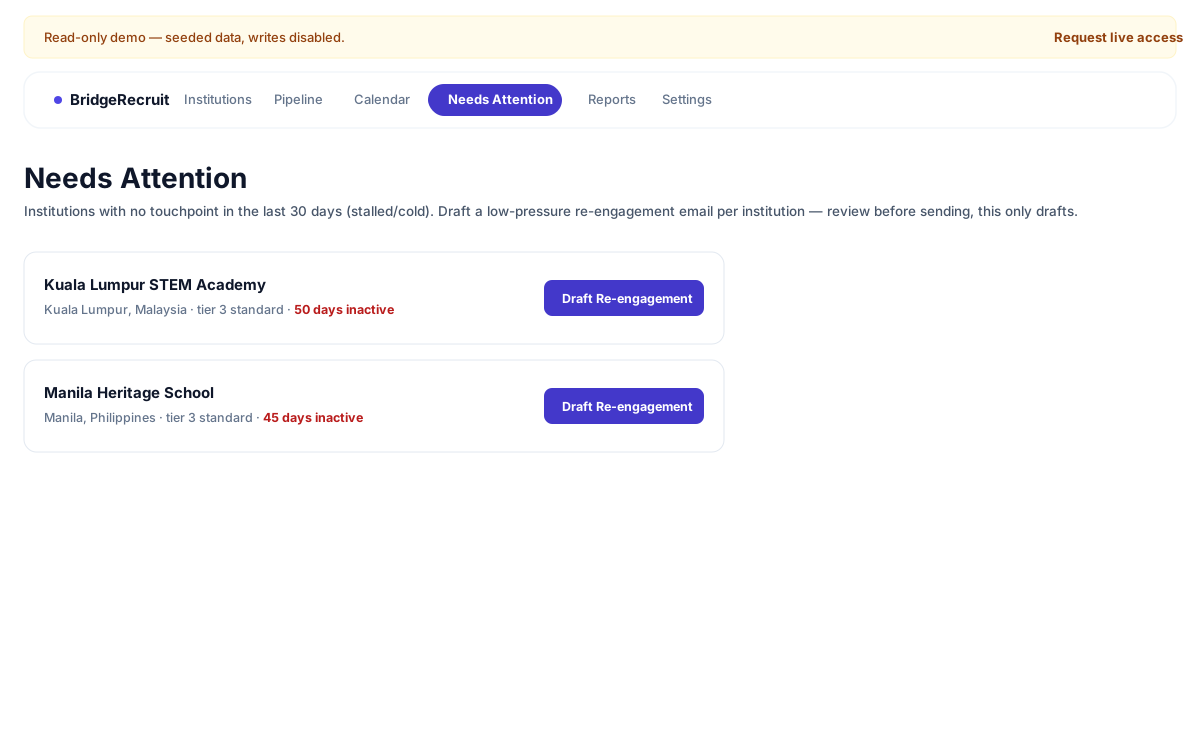
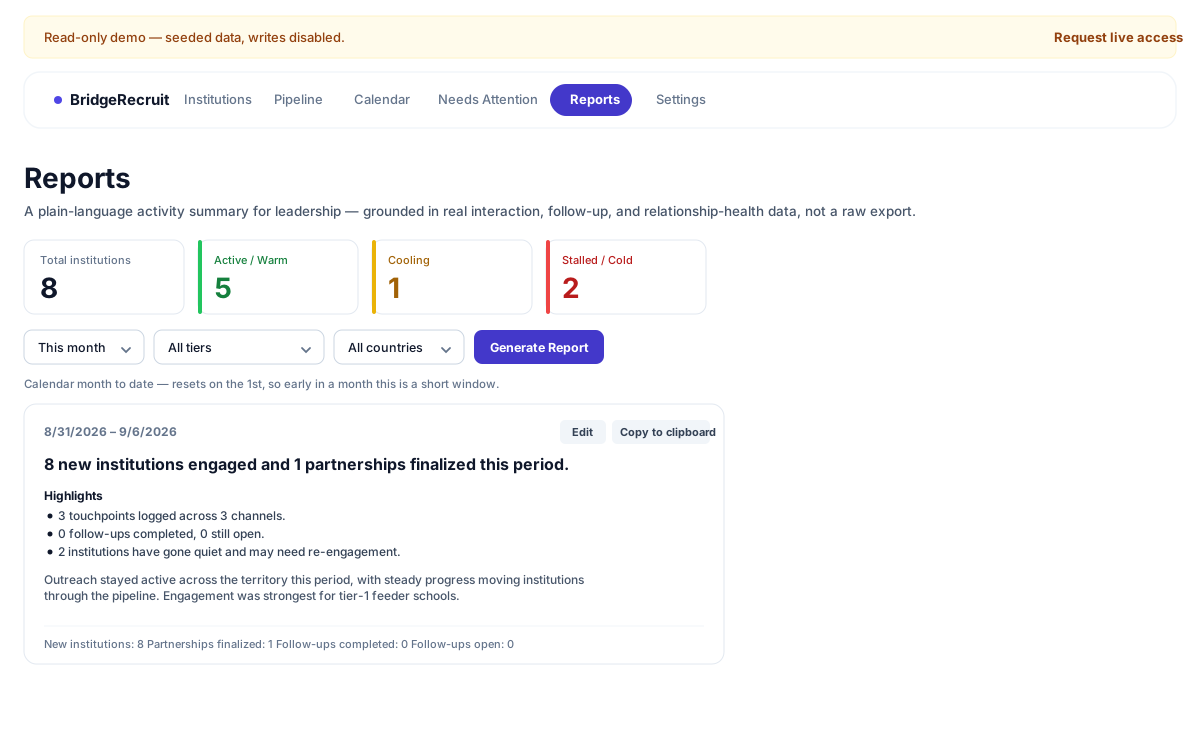
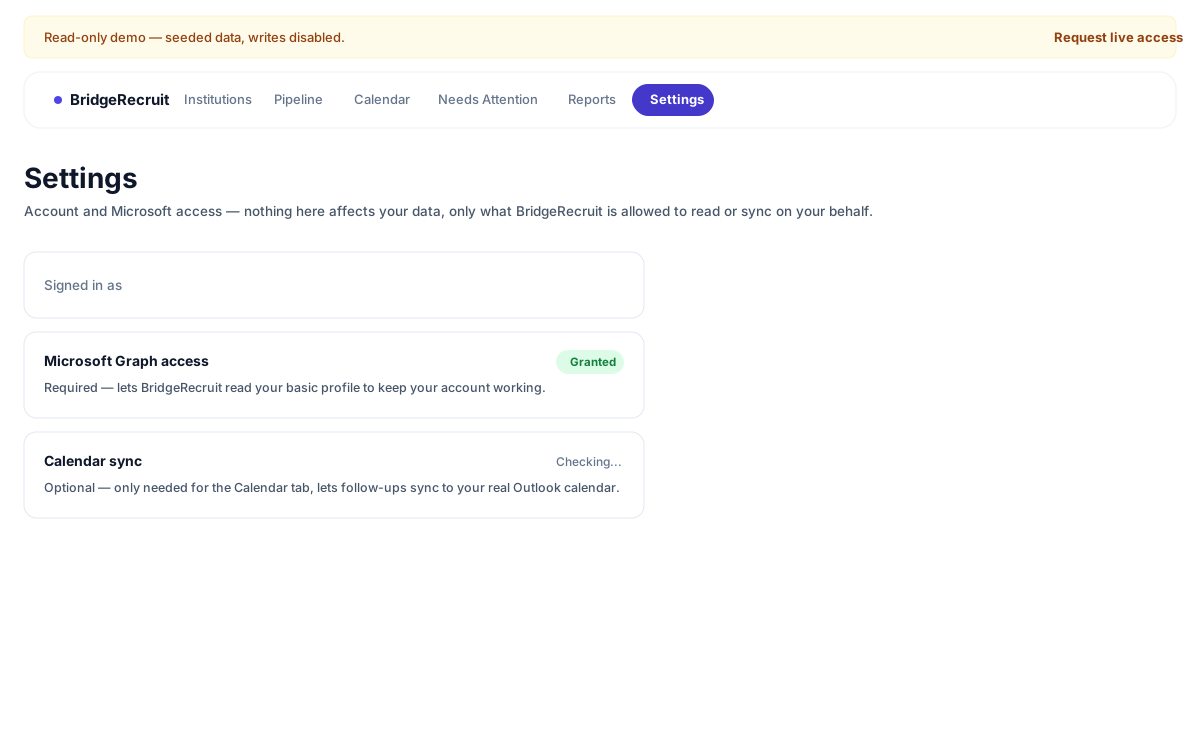
Inbox-native CRM for international school admissions: Outlook add-in reads emails and logs touchpoints in one click, paired with a Next.js territory & pipeline dashboard.
School master scheduling: classes, teachers and rooms solved against hard constraints, then re-woven by a reasoning model where they conflict.
Turns raw assessment scores into CEFR and Cambridge YLE skill maps so a teacher can see where a student is actually stuck.
Classroom activity photos plus pedagogical tags compiled into print-ready PDF portfolios, with a font proxy that survives Hangul rendering.
Finds regional academies, cleans the directory metadata, deduplicates against the CRM, and drafts a personalized Gmail deep link per lead.
An audit found the submit API emailed and published whatever report text a request sent. The server now rebuilds the report from the raw answers. Admin stats group on stable ids instead of localized names, and the quiz moved to Chekki's warm design system with labeled form fields and light-mode contrast fixes.
The AI customer now waits for a real greeting before replying, so a cough or background sound at the start of a call no longer pulls it out of role. On outbound calls it picks up first, like a real customer.
Built the staff side (assigned required training, scores by scenario, competency growth, badges) and the manager company dashboard with team completion rates, implemented from the designer's Figma.
I work best where the product thinking and the implementation sit with one person: evaluation design, voice and multimodal pipelines, and the plumbing that makes them usable day to day.
I'm constantly refining these products. If you have an idea for an improvement or just want to call out a friction point, I'm all ears.
An inbox-native CRM that lets international-school admissions recruiters log every touchpoint, track territory health, and draft AI-assisted follow-ups without leaving Outlook.
I would be happy to discuss the relational database schemas, automation rules, or model tuning parameters in more detail. Let's start a conversation by email.